


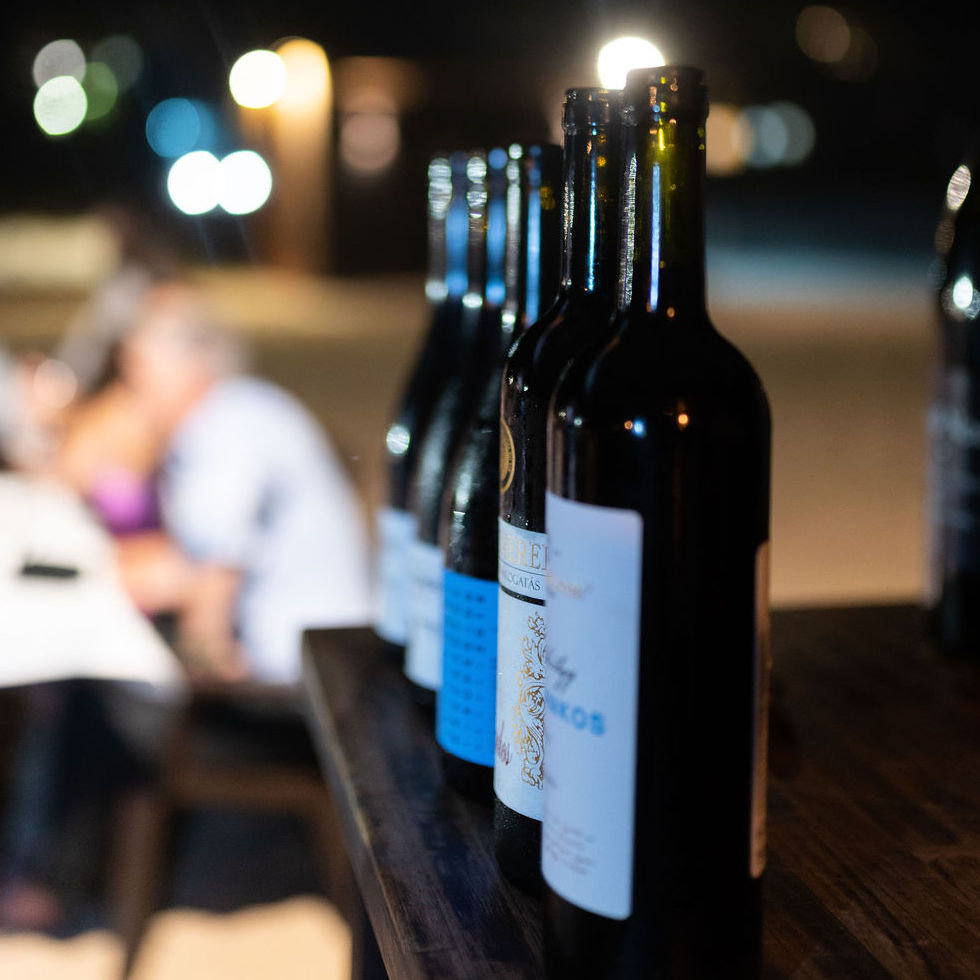
Cross-country blending at a cross-country wedding
Kékfrankos by Vesztergombi, Tóth Ferenc and Thummerer wineries
The term “blending” in Hungarian is the same word for “marrying”. After all, when we blend two wines, the blended wine will be something even better, just like in a good marriage, when a man and a woman become a functioning, happy “unit” called family. So, when my niece – Hungarian, of course – invited me to her wedding with a Spanish boy, my sister and me decided to give a special wine to her and the wedding guests: a blend of a Hungarian and a Spanish variety.
By Ágnes Németh
Photos: Fanni Fövényi

It was not desecration!
Probably many wine enthusiasts are shocked now and despise us. What? Blending wines from different countries? Desecrating the sacred terroirs and the hard work of the winemakers?
- Well, first of all, the blended amount was just a small portion, for a symbolic tasting, guests had the chance to taste the unblended wines themselves, they could see the labels and we explained a little about the wineries to each inquiring guest.
- We are not the first to do cross-country blending, there are famous examples, like a “Two Worlds” blend of Napa (USA) Cabernet Sauvignon and Barossa (Australia) Shiraz and another Two Worlds project (though unfinished due to bureaucracy), including Ernest Loosen from Pfalz, Germany, who blended his Pinot Noir with another one from Oregon. Read more here.
- The blend worked! We blended Spanish Tempranillo wine (the most planted black grape of Spain) with three Kékfrankos wines (Kékfrankos is the most planted black grape of Hungary). The smooth, fruity, velvety Tempranillo really benefited from the vibrant, lively and definitely more acidic Kékfrankos wines. Kékfrankos elevated Tempranillo, and the blend was a truly enjoyable, elegant red wine.
As I emphasized, guests could taste the wines themselves, without blending, the blended amount was only half a bottle of each wine, and we had some more bottles, thanks to the generosity of the wineries. It was a funny extra to the wedding, but also the introduction of Kékfrankos wines to the Spanish and other non-Hungarian guests.
So once again, Vesztergombi, Tóth Ferenc, Thummerer wineries, thank you for making a happy day even happier, and thank you for adding some “Hungarian spices and excitement” to the Spanish wine.
Read about the three wines below


Vesztergombi Porkolábvölgy Kékfrankos 2019, Szekszárd
The grape came from Porkoláb vineyard and was aged in 300–500 L barrels for 24 months. Only 2000 bottles were made. “An excellent selection of Kékfrankos from Szekszárd. Well structured, intense fruit and barrel spice, elegant acid backbone, integrated tannin structure. Concentrated fruit on the nose and palate. Red and black cherries, sour cherries, strawberries, blueberries and cranberries. A persistent finish with the enticing notes of vanilla, cinnamon, cloves and black pepper.”
More about Vesztergombi Cellar
Tóth Ferenc Egri Kékfrankos Superior 2018, Eger
The grape was harvested on Síkhegy, one of the most prestigious vineyards of Tóth Ferenc Winery. The wine aged in aged in 5 and 20 hl oak barrels for 2 years. “A deep-coloured wine with intense nose. The aromas are still slow to open but manifold. Blue fruits, cherries and cocoa powder blossom out on the nose. A hint of exciting amaretto character emerges in the mid-palate thanks to oak aging. Firm but ripe tannins. Th long, cherry finish combined with lively acids and a slightly chocolatey finish shows the wine has great potential.”
Kékfrankos Superior Selection 2021, Eger
“A dense and layered red wine, bursting with black berries, silky tannins, and excellent aging potential. A bold, dynamic yet graceful red wine that proudly represents this classic grape variety of the Eger wine region. Its deep ruby colour with violet hues, multi-layered bouquet, and velvety tannin structure immediately reveal its impressive inner depth. The nose is dominated by notes of sour cherry, plum, and blueberry, elegantly wrapped in spicy (cinnamon, clove) and dark chocolate oak aromas. This harmony is echoed on the palate, where the long finish leaves behind a rich aftertaste of cherry and chocolate.”
The Spanish wine: Sabate i Coca Castellroig So Negre 2020, Penedés
The wine is made of 100% Tempranillo in the Catalan Penedés wine region, where the grape has its Catalan name: Ull de Llebre. The grapes came from three different vineyards, fermented in American oak with skin contact and aged for 5 months. “Intense raspberry notes, liquorice, coffee, rosemary and preserved cherries. Fleshy, balanced and elegant, its gentleness is maintained through the long-lasting finish in the mouth.”

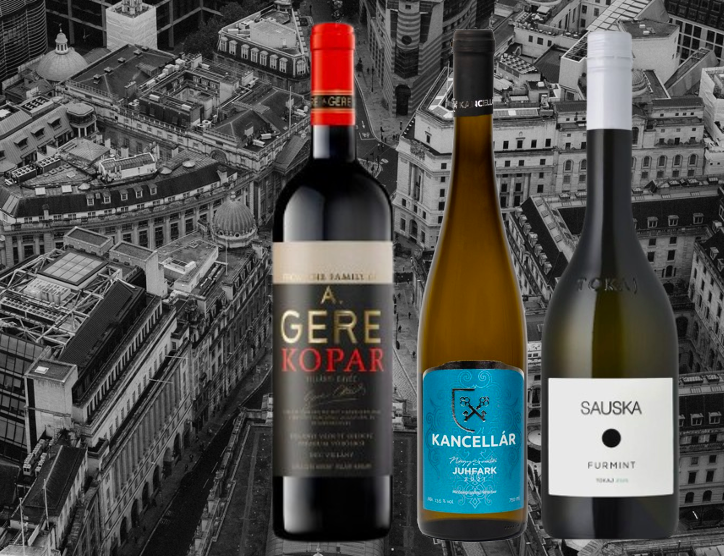
The Ultimate CEE Wine Fair – 16 June, London
From Armenia to Poland, CEE Wine fair showcases novelties even for the seasoned British wine trade.

Hungary receives the 3rd most medals at Berliner Wine Trophy
Hungary ranks 3rd in the medal contest with 178 medals after Italy (337 medals) and Spain (245).
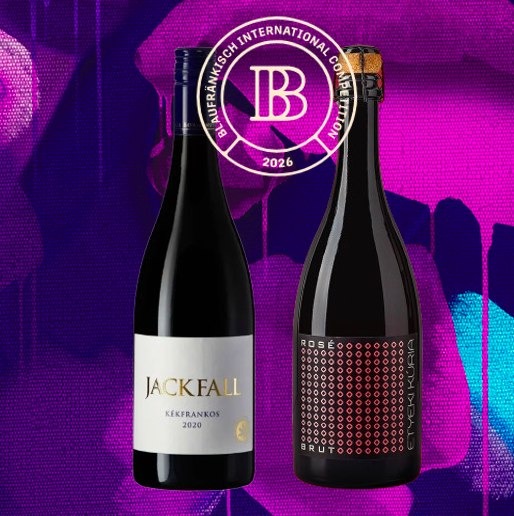
2 out of the 7 category winners are Hungarian!
306 wines from 13 countries were tasted at the 1st Blaufränkisch International Competition in Morav
