


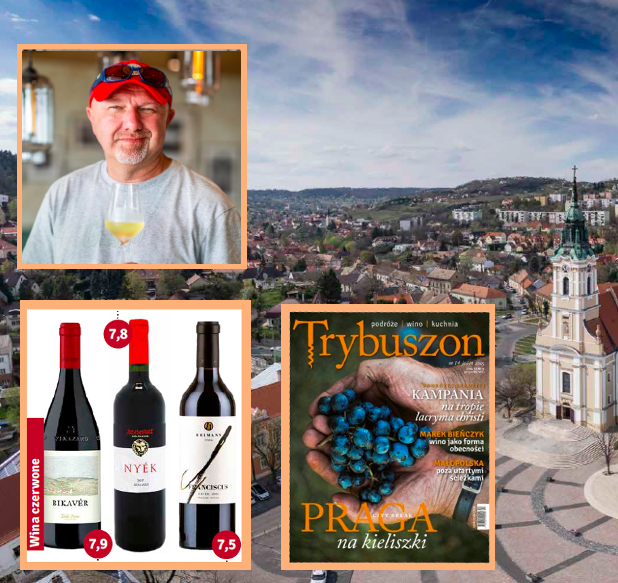
Intense “Szekszárd-course” in the Polish Trybuszon magazine
Panel tasting and an 8-page article about Szekszárd wine region
Tomasz Witkowski has been a devoted ambassador of Hungarian wines in Poland for many years. Not only by managing 2Bratanki wine shop in Krakow and the nation-wide webshop, but also by writing articles and promoting our wines at events. The next event where Polish wine enthusiasts can taste Hungarian wines is the Warsaw Wine Experience on 16–17 November.
For the English translation of the comprehensive Szekszárd article scroll down.
Our earlier interview with Tomasz Witkowski
The Polish webshop with the largest selection of Hungarian wines
https://2bratanki.pl/
The three best wines
The Szekszárd article was complemented by a panel tasting of 24 Szekszárd wines, all available in Poland. The three wines with the highest scores are:
– Vida Bikavér 2017
– Szeleshát Nyék 2017
– Heimann Franciscus 2018
Tomasz Witkowski’s article from Trybuszon magazine, 2025 autumn issue
Szekszárd unknown, or welcome to the land of Kadarka and Kékfrankos
The name – which should be pronounced [seksard] – is specific to the Polish ear, but it says a lot: the wines made here are truly sexy!
It’s hard to find. It’s never on the road. When driving south on the M6 highway from Budapest, towards the Croatian border, our oenological destination is usually Villány, famous for its red wines. Meanwhile, along the way, about 1.5 hours after departing from the capital, on the right side you can see a distinctive strip of green hills stretching for about 30 km. They’re easy to miss in the landscape. However, if you slow down and leave the highway, you’ll find yourself in the very heart of a very important wine region.

Is this Hungary or Germany?
Someone might ask, looking at the names of the most important wine producers from Szekszárd. Heimann, Takler, Eszterbauer, Sebestyén, Schieber, Bodri, Lajver… To answer this question, we need to delve into history. We know that viticulture in Pannonia dates back to the 3rd–4th centuries AD, when the Romans planted vineyards here. After the fall of the Roman Empire, winemaking traditions were adopted and continued in the Middle Ages by monks and local peasants. From the 11th century, vineyards were mainly managed by monasteries and churches. In 1061, the abbey in Pécsvárad was founded, which played an important role in the development of winemaking in the region. Wine from Szekszárd began to gain a reputation as a high-quality product.
Then the Turks arrived and took over these beautiful lands for 145 years. During their occupation, many vineyards were destroyed, and cultivation survived only in less accessible areas. When the war ended in 1686, Szekszárd was devastated and depopulated. The new rulers – the Habsburgs, although not always sympathetic to Hungarian aspirations for independence – provided the region with political and economic stability that fostered the development of agriculture and crafts. They encouraged the region’s repopulation by bringing settlers from Germany, primarily Swabians – who, after settling in their new homeland, became known as Danubians (Donauschwaben) and possessed knowledge of agriculture and winemaking. Where did they come from? Mainly from southern Germany, Austria, and also from present-day Alsace and Switzerland. They settled in many regions of the Pannonian Basin, with Szekszárd being one of the most important.
What did they contribute to local winemaking? Primarily, they planted new vineyards on hillsides, restoring abandoned and uncultivated vineyards. They introduced a systematic approach to cultivation (organized rows) and soil care, careful and systematic pruning, and began aging wines in oak barrels, which improved their quality.
Gradually, an entire infrastructure was established, with settlers building wine cellars, many of which, carved into the stone hills of Szekszárd, survive to this day. They established winemakers’ communities and guilds, which helped regulate the quality and integrity of production. Without a doubt, the Habsburg era was a period of renaissance for Szekszárd – thanks to post-war reconstruction, the influx of new residents, and investments in quality, the region gained a lasting position as one of the main centers of red wine production in Hungary. The Germans not only rebuilt winemaking here – they redefined it, giving it a shape, quality, and reputation that have endured to this day.
Warm, getting warmer…
The climate is getting warmer year by year, but for us Poles, a summer visit to Hungary still evokes associations with the Mediterranean. The further south we go, the more pronounced these associations become. When we stand in the main square of Szekszárd, we’ll see fig trees, olive trees, and oleanders, as if we were already in nearby Croatia or Italy. At the intersection of these two geographical worlds, a unique climate has developed, further nuanced by the diverse topography.
Moderately warm and moderately dry, with annual sunshine of around 2,050 hours, providing ideal conditions for growing grapes, especially red wines. Szekszárd, along with Villány, is among the warmest wine regions in Hungary. Closed valleys protect it from cold winds and Sleepy frosts. The local climatic conditions are also significantly influenced by the proximity of the Danube, which enhances the effect of solar radiation. The hills are 150–250 m above sea level, with slopes facing south (these vineyards are warmer) or north (cooler). Hot summers and relatively long, warm autumns allow the grapes to ripen slowly and evenly. Szekszárd lies on rolling hills, whose soils are a mixture of loess, silt, clay, and sand, often with a high limestone content. This diversity of soils gives the wines complexity, finesse, and elegant structure. In the region’s best vineyards – for example, in Görögszó, Strázsahegy, and Gurovica – red clay is also common, allowing the soil to perfectly manage heat and water. Experienced winemakers know that when the vine roots reach red soil after a few years, the leaves become greener, the plant grows more vigorously, and copes better with drought – this allows for the production of must with a very high extract.
The Kingdom of Kékfrankos
German settlers who developed the devastated region brought with them varieties they knew well from their homeland. The most important of these was Blaufränkisch, known today in Hungary as Kékfrankos. This, arguably the most important red grape variety in Central and Eastern Europe, perfectly reflects the region’s terroir: it produces fruity, spicy, dry wines with a distinct acidity. The cropping structure is decidedly It is the leader, growing on almost 700 hectares. Absolutely all producers cultivate it, treating it as a material for single-varietal wine and/or as a base for bikavér. Bikavér?! But how can that be? After all, bikavér is primarily associated with Eger… But it is. It turns out that the idea for it was born in Szekszárd. The name bikavér (bull’s blood) is attributed to János Garay, who in his poem “Szegszárdi bordal” (Szekszárd Wines) from 1846 described the color of red wines from this region as “bull’s blood.” Only later did winemakers from Eger borrow the idea for this blend, and the rest (i.e., the legend of bull’s blood drunk by the heroic defenders of Eger Castle) is history. Over time, Szekszárdi Bikavér has undergone many changes, and today the region offers two versions of this iconic red wine: Bikavér and Premium Bikavér. According to regulations, in both cases, the wine must mature in wooden barrels for at least one year. After this time, Bikavér can be released on the market, while Premium Bikavér cannot be sold before December 31st of the year following the grape harvest. Both types must be a blend of at least Four grape varieties are used, with Kékfrankos accounting for at least 45% of the wine and Kadarka accounting for at least 5%. Other permitted grape varieties include Cabernet Sauvignon, Cabernet Franc, and Merlot. Winemakers are permitted to supplement the blend with various varieties (e.g., Blauburger, Menoire, Pinot Noir, Syrah, Malbec, Sagrantino, Tannat), but combined, they can only account for 10%. What are the organoleptic characteristics of both varieties? Bikavér displays dark garnet and ruby shades in the glass. On the nose, we find ripe black fruit and notes of barrel aging. The wine is characterized by a distinct yet balanced acidity and an elegant, mature palate. Premium Bikavér has a deep garnet color, a complex and multi-layered aroma, and a full body with a strong structure and a wealth of flavors. The wine is not dominated by tannins, it has a velvety texture and elegance. The second largest variety in terms of area planted is Merlot, followed by Zweigelt, and then almost equal areas are occupied by Cabernet Franc (which produces exceptional wines in neighboring Villány) and Cabernet Sauvignon. However, particularly important – both for the region and for Hungary in general – is Kadarka, which – although it is found in Szekszárd only on Approximately 80 hectares – it is considered one of the region’s characteristic varieties and was grown here even before the Donauschwaben arrived. It fits perfectly with the local terroir, and its unique spiciness, elegant acidity, and light tannin structure produce excellent results in both single-varietal wines and blends. The return of Kadarka is one of the region’s successes in recent years. Of course, if someone wants to drink white wine from Szekszárd, they will find it too. Most winemakers produce Olaszrizling, Sauvignon Blanc, Királyleányka, Grüner Vetliner, or Chardonnay, but it is the red wines that truly define the region.

Family is most important!
As throughout Hungary, in Szekszárd, too, the magical knowledge of winemaking has been passed down from generation to generation in many winemaking families. Moreover, some of the best wineries here cherish the memory of their German roots. The Heimanns are a perfect example of the wonderful results that can be achieved by focusing a family around work on a wine estate. They arrived in Szekszárd in 1758. They ran a farm typical of the time – combining viticulture with animal husbandry and agriculture – and this continued until the second half of the 20th century. After the fall of communism, in 1991, Zoltán Heimann senior transformed the farm into a classic winery – one of the first after the fall of communism. Together with his wife Agnes (an economist), they started everything from scratch: they purchased new They acquired plots of land, built cellars, and switched cultivation from quantity to quality. And suddenly, wonderful wines began to emerge! Interestingly, the flagship, the cuvée Barbara, came from Agnes’s hands.
The Heimanns successfully instilled a love of oenology in their son, Zoltán Jr. The ambitious young man was sent to Montpellier and Udine for training, and practiced in Australia, Germany, and Italy. When he returned home, he asked his father: “Dad, what should I do to be successful?” Zoltán Sr. replied: “Son, create the best Kadarka and Kékfrankos in Hungary.”
This is how the Heimann & Fiai project was born, focusing on these two grape varieties, but moving toward ecology, minimal intervention, and spontaneous fermentation. Zoltán junior has already earned the nickname “Kadarka Man,” known not only in Hungary, and is becoming a star overnight. Always smiling, modest, and open, he is a true symbol of this extraordinary region. Be sure to try the classic wines created by Zoltán senior: blends such as Franciscus, Barbár, and Barbarossa are on par with great wines from Bordeaux or Tuscany. And compare them with the joyful, pulsating Kadarkas, Kékfrankos, and Bikavérs from the young Zoli. Both are delightful. In 2023, Zoltán Heimann senior was awarded the title of Winemaker of the Year in Hungary. He is an icon of Szekszárd, actively involved in regional wine associations and building local ties, and is a great community activist.
Also after the Hungarian transformation, another very famous Szekszárd winery was established – Takler Pince. A major player (approximately one million bottles annually), the company is still family-owned, run by Ferenc Takler and his two sons, András and Ferenc Jr. From the very beginning, they focused on quality and elegant style. Of course, they specialize in red wines, especially from varieties such as Kékfrankos, Merlot, Cabernet Franc, and Cabernet Sauvignon. Next to their vineyard, they built a chic and comfortable guesthouse and the excellent Primarius restaurant, named after one of their most famous wines. The cuisine is a subtle reinterpretation of Hungarian culinary tradition. The menu is seasonal, and each dish features a specific wine from the Takler vineyard. So if you go to Szekszárd this autumn, you’ll be able to try, for example, grilled carp fillet with potatoes, cottage cheese, smoked paprika cream, and fish cracklings (recommended wine: Örökség Kadarka), pork medallions with lemon and sage, served with potato wedges, romaine lettuce, and ajvar (recommended wine: Szenta-hegyi Kékfrankos), or finally, mouflon goulash with dried plums and red wine, served with potato dumplings with bacon and sour cream (and Szenta-hegyi Cabernet Franc). Admit it, are you hungry?
Of course, you must try the exceptional wines, such as Gurovica Kékfrankos or Örökség Bikavér (örökség means heritage, and this word well reflects the respect the Takler brothers have for the Hungarian winemaking tradition).
There are many more examples of family businesses in the industry, including the small but highly regarded 9 Sebestyén Pince, run by Csaba and Csilla Sebestyén, who farm 17 hectares, primarily growing Kékfrankos, Kadarka, Merlot, and Cabernet Franc. Their style reflects current trends – these wines tend to be lighter, more delicate, fruity, and don’t require a special setting like beef tenderloin steak.
Winemaking in Szekszárd is flourishing; in addition to long-established producers, new ones are emerging, sensing the region’s potential. A good example is 10 Szeleshát, or Windy Hill. This project was launched in 2001 thanks to the dynamic László Krajcsovszky. He reclaimed a derelict plot of land in the southern part of the region, planting it with vines. Merlot reigns supreme here (especially in the Gubac plot), and in the cellar is winemaker Krisztina Rosta – be sure to meet her if you want to meet someone with a true passion for winemaking, a passion that yields excellent results.
Year-Round in Szekszárd
Szekszárd is a truly ideal place for lovers of wine, history, and the tranquil, local atmosphere of southern Hungary. An idea for a great weekend getaway? Certainly. The winemakers of Szekszárd have rightly noticed that many smaller wine events are better than one large festival. This results in more people visiting the region, and the influx of wine lovers is more regular and lasts year-round.So, they start in February with Kékfrankos Toros, which focuses on the most widely grown grape variety here. The most popular winter events in this region have been welcoming wine and gastronomy enthusiasts for years, offering them the opportunity to actively relax in the winter weather, combined with a kékfrankos tasting. The event is organized by the Bodri, Takler, and Fritz wineries. The winter atmosphere is further enhanced by seasonal dishes prepared with local ingredients (including pork belly), which perfectly complement the tastings.
When spring blooms, it’s time for the Bikavér Borongoló – a hike along the Bikavér trail, from vineyard to vineyard. Bor – as you probably know – means wine in Hungarian, and ‘barangoló‘ means hike. A little play on words, but a huge success for this great event. Usually held in April or May, it’s worth buying tickets in advance. In June or July, five producers invite you to the Iván Valley for Kadarka Fusion – a tasting of Kadarka at its finest. The idea for this event originated with Zoltán Heimann Jr., who easily encouraged other winemakers to join him. No tickets, no rush, no tension, just a time to relax with a glass of wine, one of the symbols of Szekszárd.
Also worth mentioning are the summer Wine and String Instrument Festival (Borok és Húrok Fesztivál), as well as the Wine Days in Bátaszék (Bátaszéki Bornapok) at the end of August. Finally, as September and the harvest season arrive, we are greeted by the Szekszárd Open Cellars (Szekszárdi Nyitott Pincék) and the Szekszárd Harvest Festival (Szekszárdi Szüreti Napok), after which all that’s left is to eagerly await St. Martin’s Day (Márton-napra) and the new wines (újbor).
Today, Szekszárd is an example of a harmonious blend of history, nature, and human passion. Although slightly less well-known than Eger, Tokaj, or Villány, it is gaining increasing recognition for the quality and authenticity of its wines. It’s the perfect place for red lovers seeking depth, finesse, and unique character. Strolling through the local vineyards, visiting loess cellars, and talking with local winemakers is a journey through time and space – to the heart of Hungarian winemaking.
Szekszard – A walk around the city and surrounding area
The loess gorges, a local tourist attraction, are reminiscent of those around Kazimierz nad Wisłą and offer countless excursion options. They are also used by wineries as wine tasting venues. Lovers of classical monuments and traditional sightseeing should visit Garay Square and stop at the monument to the poet who first used the term Bikavér, or Bull’s Blood. Of course, the picture wouldn’t be complete without mentioning the memorial houses of two other poets – Mihály Babits and Miklós Mészöly. It seems that wine and poetry truly go hand in hand. The ruins of the former abbey are located in the courtyard of the town hall, and the town hall itself and the church at Béla Király tér 9 in the city center (the largest single-nave Roman Catholic church in Central Europe) are also worth visiting. To see the city from above, simply climb to the top of Bartina Hill, where (at the end of Kurta utca) awaits tourists the Szőolőo-hegyi kilátó – a small observation tower with a metal sculpture depicting willows with bunches of grapes, while the Bati kereszt kilátó viewpoint offers a magnificent view of the Szekszárd hills. If you need your morning coffee, Szekszárd offers one of the best cafés in the country – Caffé Carraro 1927 (Bátaszéki út 25).
The name includes the year of establishment and the name of the founder; today, the place isknown not only in Szekszárd but throughout Hungary. There’s also, for example, the wonderful Gingerbread Museum (Petrits Mézeskalács Múzeum, Munkácsy u. 9/B). https:mezeskalacsmuzeum.hu/. However, everything here is so focused on wine that you shouldn’t be surprised if you find Kadarka-flavored ice cream somewhere in the summer
Szekszárd from the kitchen
The region is ethnically and culturally similar to Pécs, Tolna, and Villány – it is made up of small villages nestled in valleys, where Germans, occasionally Serbs, Croats in some places, and Hungarians in others lived. Consequently, many dishes from Szekszárd have German roots, such as roasted pork knuckle with crispy skin and cabbage dishes. However, if you’re looking for gems of regional cuisine, you must choose chicken paprikaš in red wine, as nothing better has yet been invented for Kadarka. The proximity of the Gemenc forests also makes game popular here. Stewed in red wine and served with a rich sauce, it pairs well with full-bodied, Mediterranean-style wines from local producers. Fish is also a well-known and excellent accompaniment to Kadarka. Restaurants on the banks of the Danube serve the best fish soup in the area. Some wineries also have excellent restaurants. Heimann’s, Takler’s, and Bodri’s are definitely worth a visit – they all offer excellent, modern cuisine with a touch of tradition.
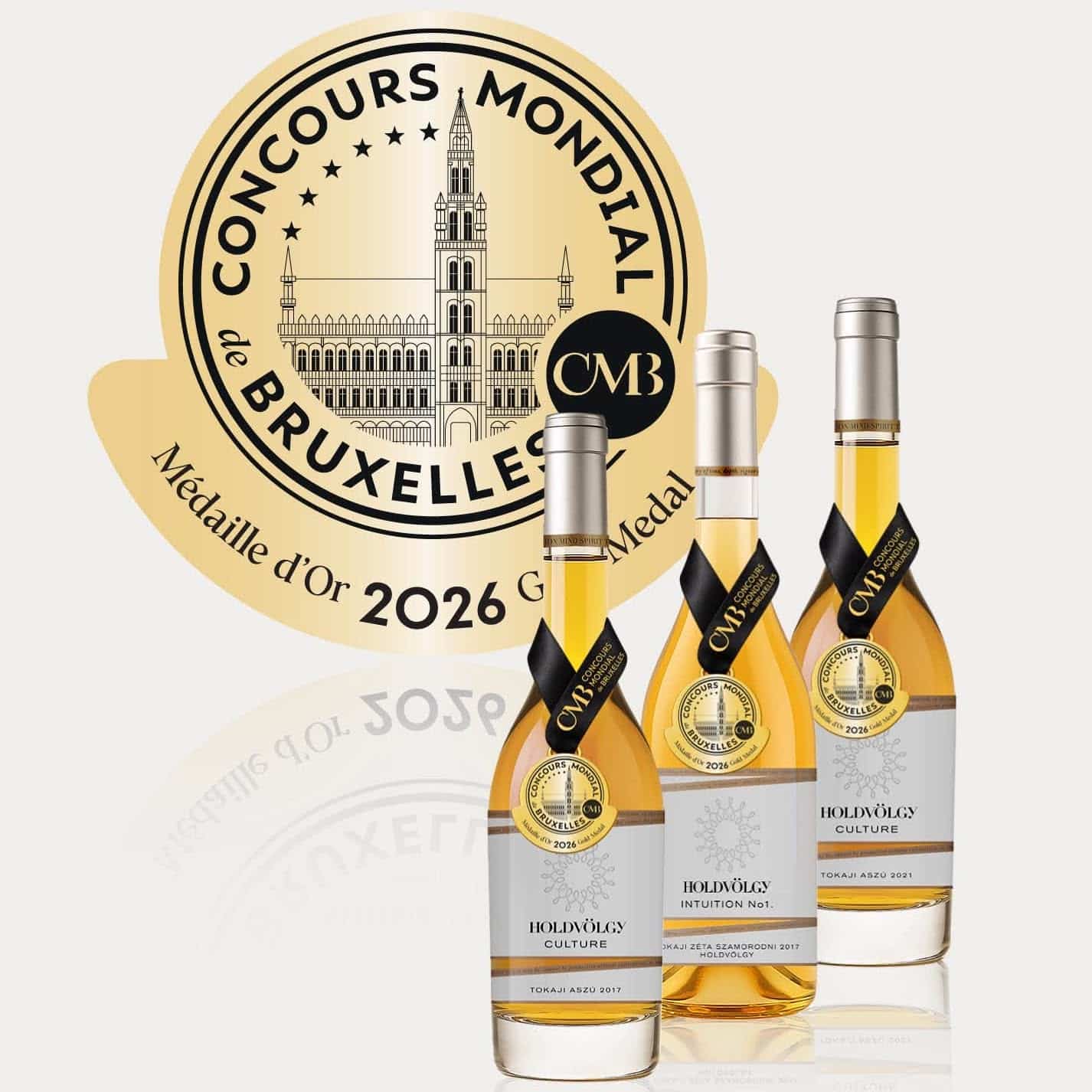
7 out of 7 HUN wines are medal winners at CMB!
Hungary has produced impressive results: 7 wines entered the prestigious competition, and all the se
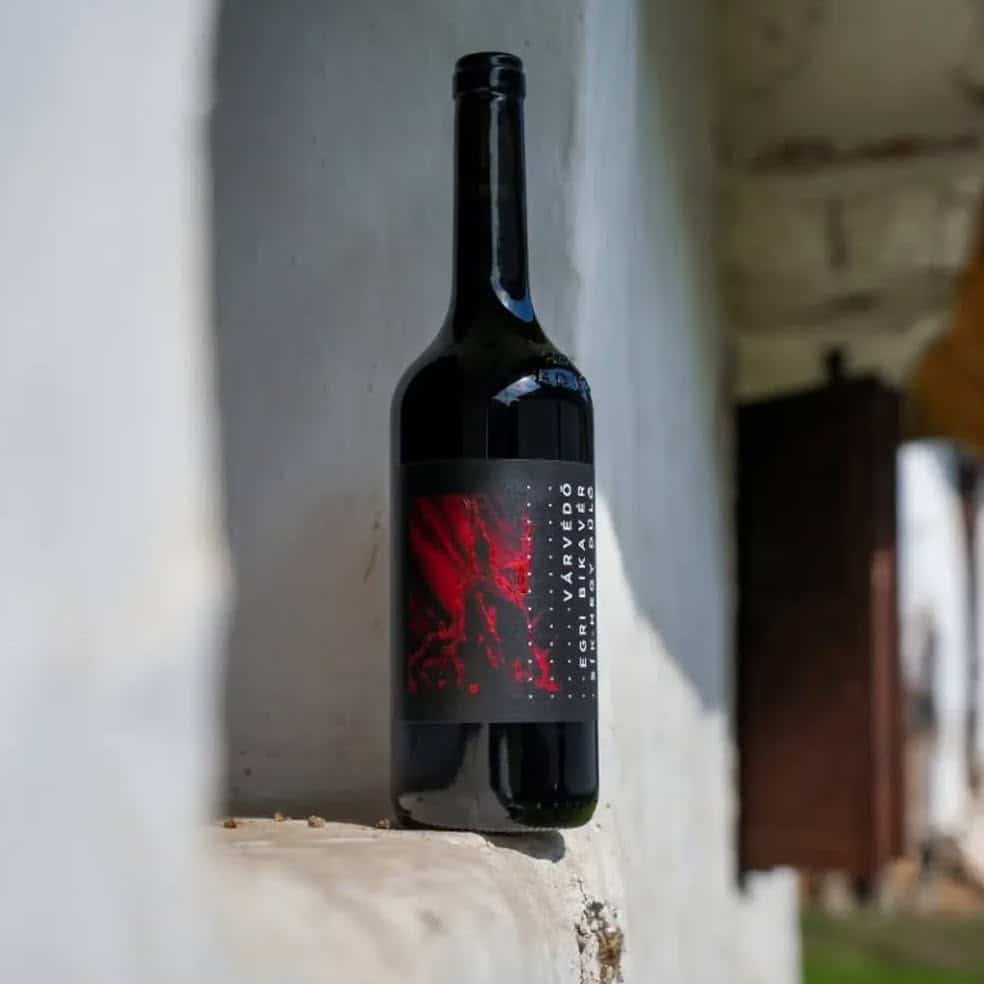
En Primeur Bikavér tasting on 22 October in Eger
The second half of October is always about the legendary red blend Bikavér in Eger. The en primeur
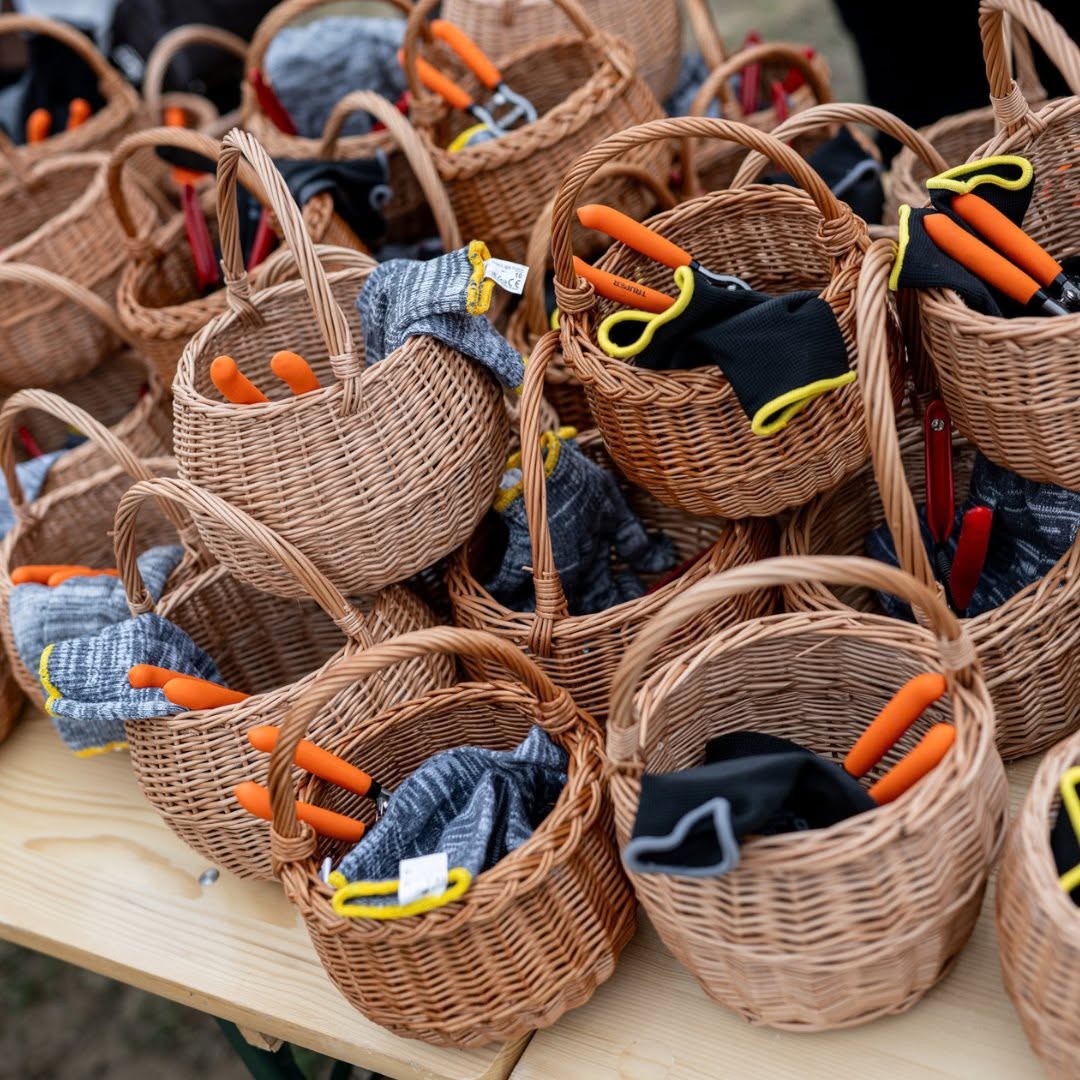
Their Excellencies harvest at Pannonhalma
The diplomats’ grape harvest takes place in a different wine region every year; this year it was P
