


Tomaj 2024 – Badacsony blended
Wine of the Weekend
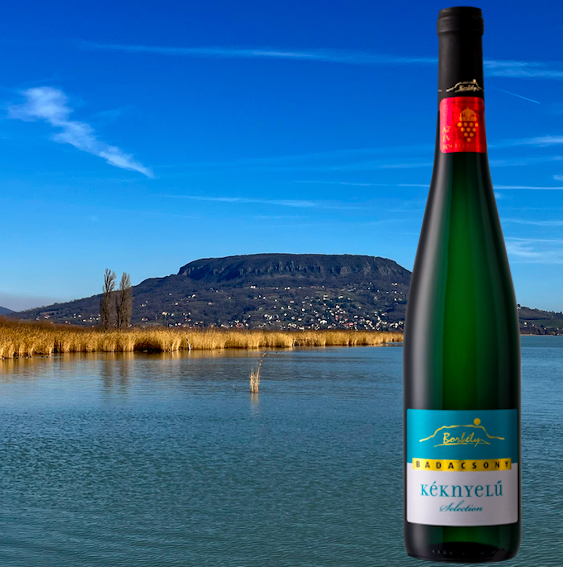
Borbély Family Winery blended Kéknyelű, the iconic and unique Badacsony grape variety with Rózsakő (‘Rose Stone’), a “child” of Kéknyelű and with Olaszrizling, the most planted white grape of Balaton. The wine has recently received an outstanding review from Vince Hungarian wine magazine.
Tomaj is a fairly new release by Borbély Family Winery, which is located in a small place called Badacsonytomaj, hence Tomaj refers to the place within volcanic Badacsony wine region.
Vince panel review: “Light greenish yellow colour. Good intensity on the nose with some pronounced minerality and stone fruits. A little carbon dioxide makes it even fresher. Medium body, firm structure, crispy acidity, good complexity, green apples on the palate.”
(16.40 pts, September issue)
More about Borbély Family Winery
A sip of knowledge about the “ingredients”
Kéknyelű
– This grape is exclusively grown in Badacsony wine region. Planting alternate rows with a variety such as Budai Zöld encourages more consistent pollination.
– In good vintages it gives elegant wine with creamy structure and subtle, fine acidity. Rare grape variety that is capable of giving exceptionally high quality wines.
– Kéknyelű is quite likely of Hungarian origin. Very popular among the winemakers, though it is hard to cultivate. It ripens relatively late, therefore it needs protection from the hungry games living in the forests of Badacsony and Szent György mountain. “Kéknyelű, meaning ‘blue stalk’ and referring to the slightly blue tint of the petiole, is an old variety probably originating from the Badacsony region in western Hungary. The alleged synonymy between Kéknyelű and the Italian Picolit mentioned in the Vitis International Variety Catalogue has been disproved by DNA profiling.” Excerpt From: Robinson, Jancis; Harding, Julia; Vouillamoz, Jose. “Wine Grapes (9780062325518).” iBooks.
Rózsakő
– This grape is exclusively grown in Badacsony wine region.
– The skin is rather thick therefore less sensitive than Kéknyelű, and more productive. It resembles Kéknyelű in its characteristics and can also give high quality wines.
– A cross between Kéknyelű and Budai Zöld develoved by Dr. Ferenc Király in Badacsony in 1957 – a most logical decision to cross these two grapes, since they are often planted adjacent to each other to improve pollination. The name literally means ‘Rose Stone’ and given after Róza Szegedi, a beautiful and intelligent woman who is known as the eternal love of the Hungarian poet Sándor Kisfaludy. The poet and Róza used to sit on a heart shaped basalt rock on Badacsony mountain enjoying the spectacular view of Lake Balaton. The stone is named after Róza, the grape is named after the stone.
Olaszrizling
– It is grown all over Hungary, in fact the most widely planted grape in the country, and popular in the whole Carpathian basin.
– It ripens rather late, in good vintages even shrivels. When young, there are flowers on the nose, on the palate full of flavours and there is a little bitter almond note in its aftertaste. It has a pleasant, refreshing acidity. Olaszrizling is capable of long barrel ageing.
– It was and is mistaken for Rhine Riesling, though it is a completely different grape. Its synonyms include the most common Welschriesling (Austria, Germany), Graševina in Croatia, Laški Rizling in Slovenia. It is quite likely to originate from the Danube basin, though there are numerous other hypotheses. Though it is the most widely planted grape of Hungary, it did not have a good reputation for a long time and while nowadays wonderful examples are easy to find in Hungary both in fresh and aged style.


Love & Juhfark
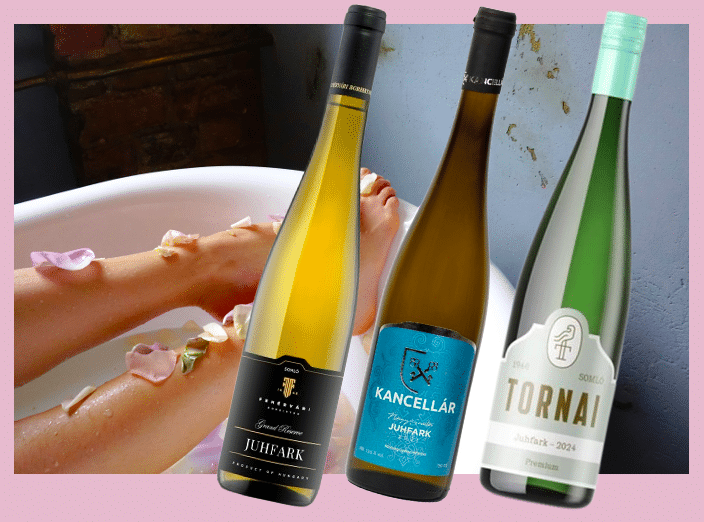
The myth has been debunked. The wine of the indigenous grape of Juhfark from volcanic Somló does no
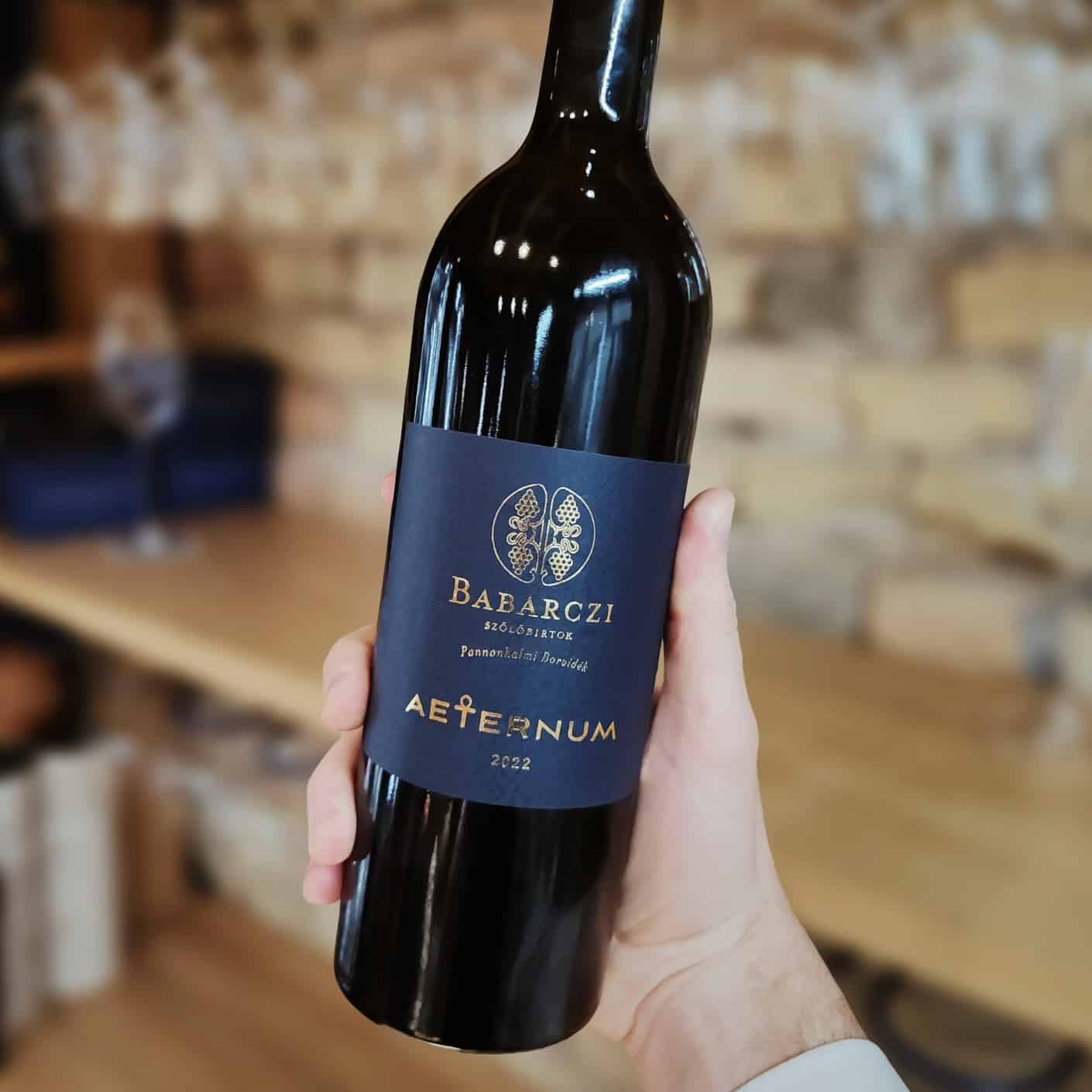
A new icon has been born
The new red wine is a Bordeaux blend and just like Marianum commemorating the late Mrs Mária Babarc
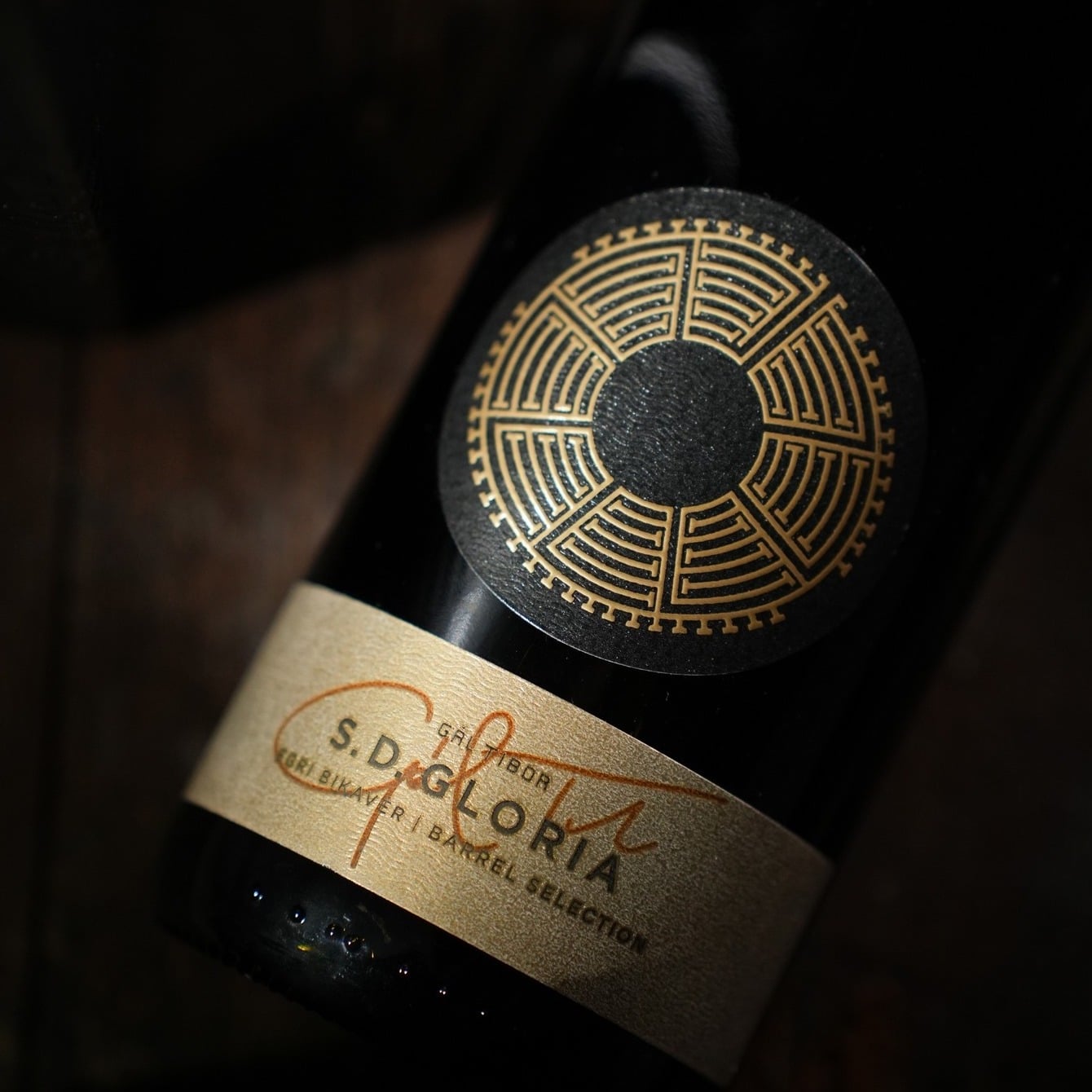
The mysterious character of Tibor Gál’s wines
Sebestyén Nagy has recently published the list of his top 10 wines from 2025. Tibor Gál's S. D. Gl
